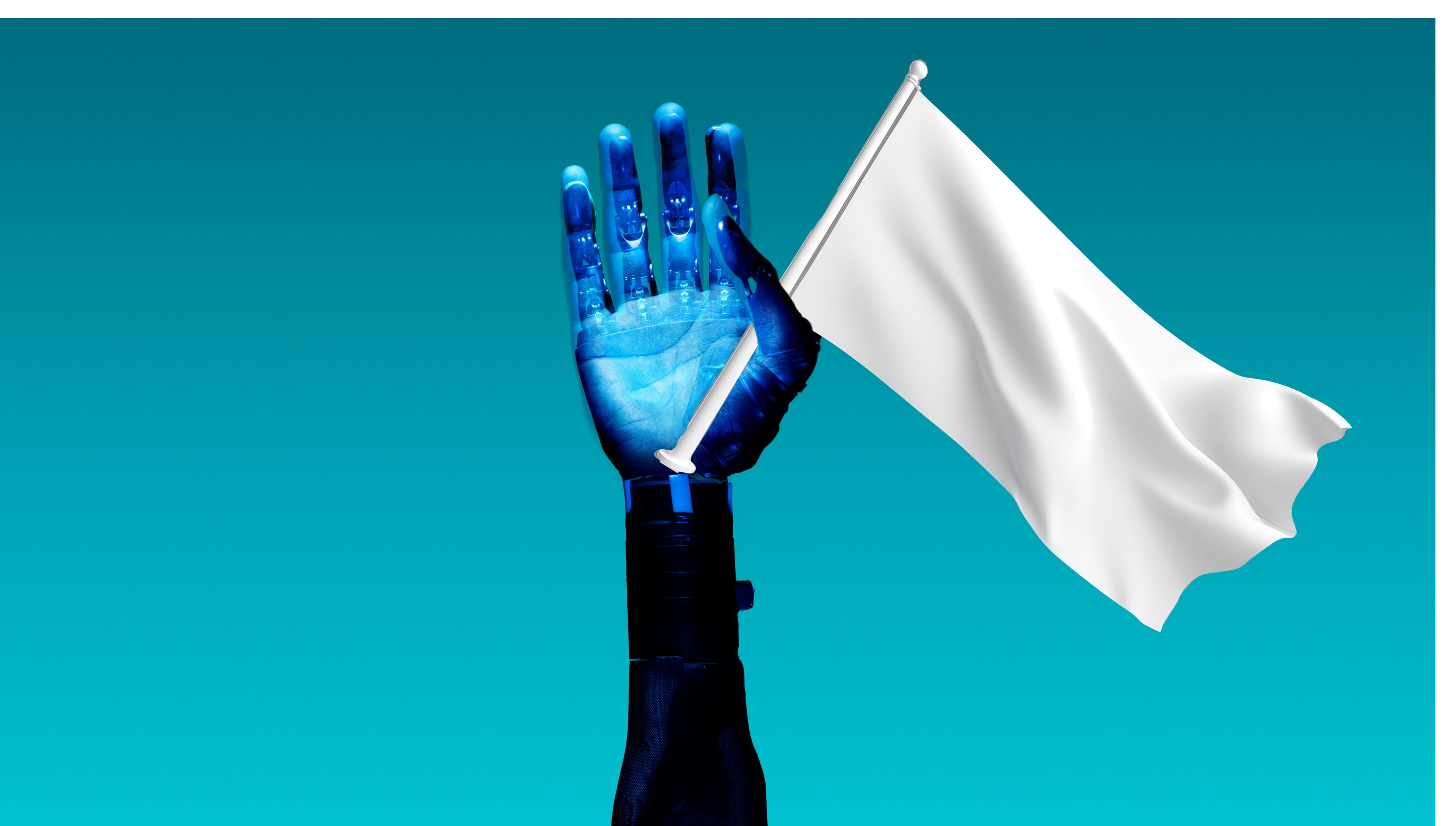
Bot Got Your Job? Fight Back With Soft Skills
By Amrit & Loralyn These days, the world is weird and wonky. Earth has become a tough place to navigate. The spikey little virus wreaked havoc on just about every paradigm and social norm…

By Amrit & Loralyn These days, the world is weird and wonky. Earth has become a tough place to navigate. The spikey little virus wreaked havoc on just about every paradigm and social norm…

Workplaces are not only becoming more toxic – they are becoming more violent, too – with the number of rapes, aggravated assault charges and murders dramatically increasing year-over-year. Learn the 7 Types of Poison that…

Quiet quitting is bad for business. It kills productivity and can negatively impact corporate culture. But how do you know if a job candidate will soon be “quitting quietly” after you hire them? Ask these…

In our previous blog, you read that businesses in the USA are losing close to $ 500 billion on their employees’ tendency to embrace quiet quitting. These employees are leaving to take other jobs. Gallup…

Quiet quitting and the state of unproductivity associated with it costs American businesses $ 500 billion every year.
The Great Resignation, quiet quitting, rage applying, and toxic workplace are HR themes that have been trending for job search since last year. The solution? Employee training as a critical component of professional development, not…

The statistics make the workplace sound pretty bleak. Productivity is tanking. People aren’t communicating with each other all that often anymore – let alone effectively. What do you do? Employee training may be the only…

Conscious leadership is one of the most impactful application of soft skills. It’s all about listening, empathy, communication, emotional intelligence – and tuning into your employees’ needs.

Employees have spoken with their feet. They’ve had it with crappy corporate cultures, crappy compensation for unfulfilling work, and crappy communication within the workplace. They’re seeking a Great Reboot. Maybe HR Threatre is the corporate…

Are you discounting Gen Z as a generation too steeped in wokism with “no idea” of how the real-world works, dismissing them as “snowflakes” who melt with a little bit of heat and flake out…